April marks Alcohol Awareness Month, a time to educate ourselves and our communities about the risks of alcohol misuse and its widespread impact on health and well-being. It is important for people to fully understand the risks of alcohol so that they can make informed decisions about alcohol consumption.
Alcohol remains a major public health concern both nationally and here in Oregon. In fact, excessive alcohol use is the third leading cause of preventable death among Oregonians, according to the Oregon Health Authority (OHA). Nationwide, alcohol is associated with over 178,000 deaths each year and is linked to more than 200 diseases and injury-related conditions.
As Sarah Ermer, Prevention Specialist at Tillamook Family Counseling Center (TFCC), explains, “You don’t have to have an alcohol use disorder or be binge drinking to experience harm from alcohol. A lot of people think the threshold for harm is being drunk, but that’s not the case.”
About OHA’s Rethink the Drink Campaign
To raise awareness and offer practical tools for change, the OHA’s Rethink the Drink campaign continues to empower Oregonians with information, self-assessment tools, and treatment resources. The campaign is not trying to convince everyone to stop drinking altogether, but rather to rethink how alcohol has become so commonplace in our daily lives.
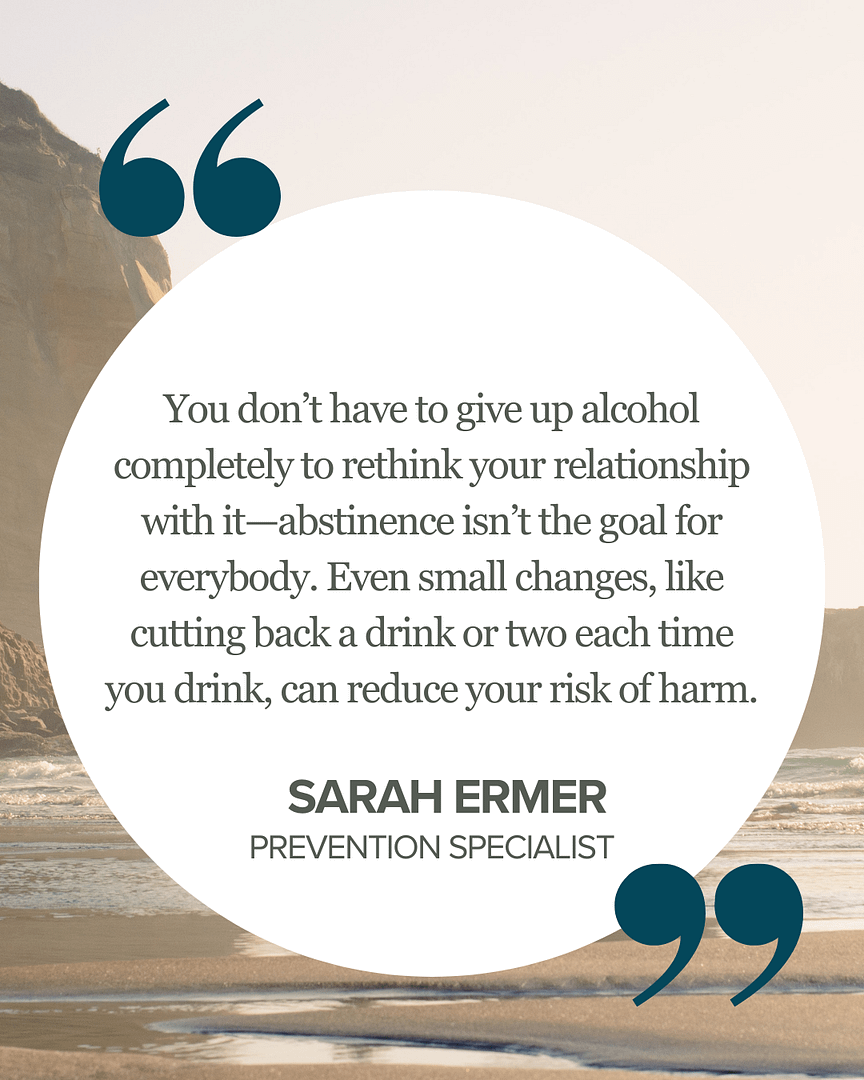
Sarah emphasizes that “you don’t have to give up alcohol completely to rethink your relationship with it—abstinence isn’t the goal for everybody,” and adds that “even small changes, like cutting back a drink or two each time you drink, can reduce your risk of harm.”
From the RtD website: “‘Rethink the Drink’ is not a code phrase for ‘stop drinking’ (although we do offer resources to help you drink less). We’re simply asking people in Oregon to pause for a moment and consider the role of alcohol in our own lives and communities. Could we handle our alcohol in healthier ways?”
You can explore the campaign further at www.rethinkthedrink.com.
Understanding the Risks of Alcohol
More than 1 in 5 Oregon adults drink excessively, and most do not have alcohol use disorder—suggesting harmful drinking habits are more common than many realize. Excessive drinking includes binge drinking, heavy drinking, underage drinking, and drinking while pregnant, and even lower levels of alcohol use can carry risks.
Alcohol use is also linked to increased rates of motor vehicle crashes, violence, and workplace or school-related problems.
As Sarah notes, “We don’t often recognize alcohol as a carcinogen like we do tobacco, but all alcohol contains ethanol, which is a carcinogen. There isn’t really a ‘safe’ level of alcohol—any amount can increase your risk of harm.”
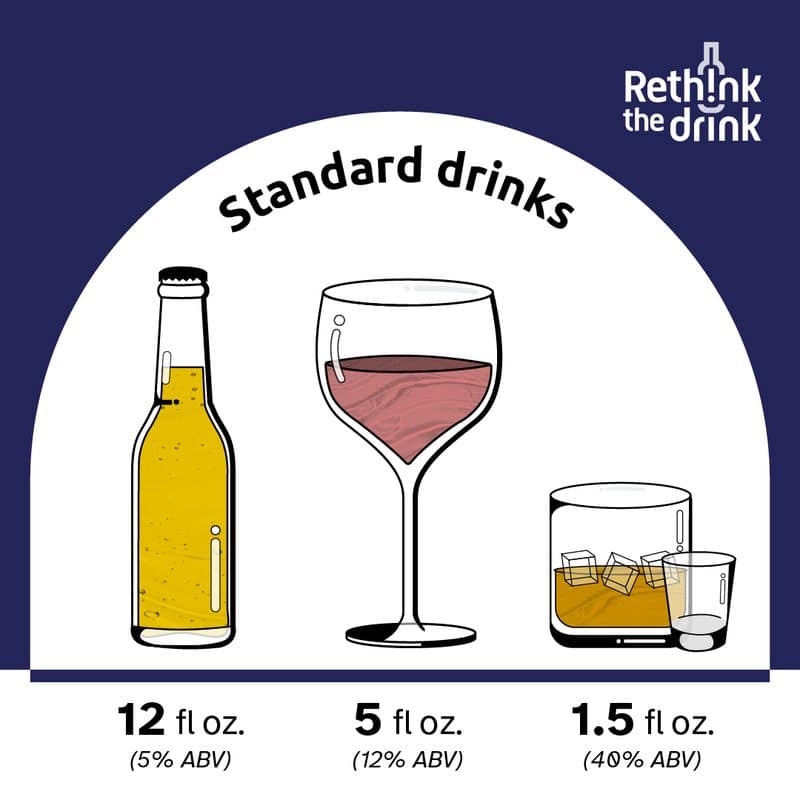
Binge drinking is defined as 5 or more drinks for men or 4 or more for women on a single occasion, while heavy drinking is 15 or more drinks per week for men and 8 or more for women. Alcohol misuse increases the risk of several cancers, as well as heart and liver disease.
The Rethink the Drink campaign also encourages individuals to adopt the Track, Count, and Shift approach:
- Track your drinking habits
- Count how much alcohol is in each drink
- Shift toward healthier choices and seek support when needed
For those looking to make changes, small steps can make a difference. As Sarah explains, healthier habits may include drinking less, avoiding binge drinking, planning alcohol-free days, or alternating alcoholic beverages with water.
Start the Conversation—Especially with Youth
Adults play a crucial role in shaping youth attitudes toward alcohol. Young people are more likely to engage in risky drinking behaviors if the adults around them model excessive drinking.
Sarah explains that “when we talk about preventing underage drinking, it’s not just because it’s illegal—it’s because alcohol affects youth bodies and brains very differently.” She notes that adolescent brains are still developing, and alcohol can interfere with memory, learning, mood regulation, and decision-making.
Research also shows that allowing youth to drink under adult supervision does not reduce harm. Sarah emphasizes that “there’s no evidence that allowing teens to drink at home under supervision is safer or teaches responsible drinking. In fact, it’s associated with more short- and long-term alcohol-related problems.”
Instead, prevention efforts are most effective when they focus on connection and communication. As Sarah explains, “adolescent substance use and mental health go hand in hand, so prevention isn’t just about telling kids not to drink—it’s about creating supportive environments and strong connections.”
Practical tips for talking with youth include:
- Start conversations early and continue them over time
- Integrate alcohol-related topics into everyday discussions
- Set and clearly communicate expectations
- Practice active listening
- Help youth develop refusal skills for real-life situations
Additional resources from the National Institutes of Health can support these conversations, including educational tools, interactive activities, and online learning opportunities for youth and families.
Support is Available
Remember that help is available, whether you’re concerned about your own drinking, supporting a loved one, or trying to raise awareness in your community. Visit www.rethinkthedrink.com to learn more, or contact Tillamook Family Counseling Center at (503) 842-8201 for local support and resources.
If you or someone you know needs immediate support, call or text 988 for mental health and substance use assistance.
Sip Smart Social on May 6th
Community members also have an opportunity to learn more and connect with others at an upcoming local event. The Sip Smart Social will take place on Wednesday, May 6 from 10:00 AM–12:00 PM at the Tillamook Main Library. This event, geared toward older adults, will feature mocktail tastings, wellness-themed bingo, and educational information about alcohol and healthy aging—offering a fun and welcoming way to explore healthier habits.
You don’t have to navigate these challenges alone—support, education, and care are available in our community.