
 June is Men’s Health Month, a time dedicated to highlighting the importance of both physical and mental well-being for men. At Tillamook Family Counseling Center, we are committed to raising awareness about the unique mental health challenges men face and promoting resources to address these issues.
Breaking the Silence: The Importance of Men’s Mental Health
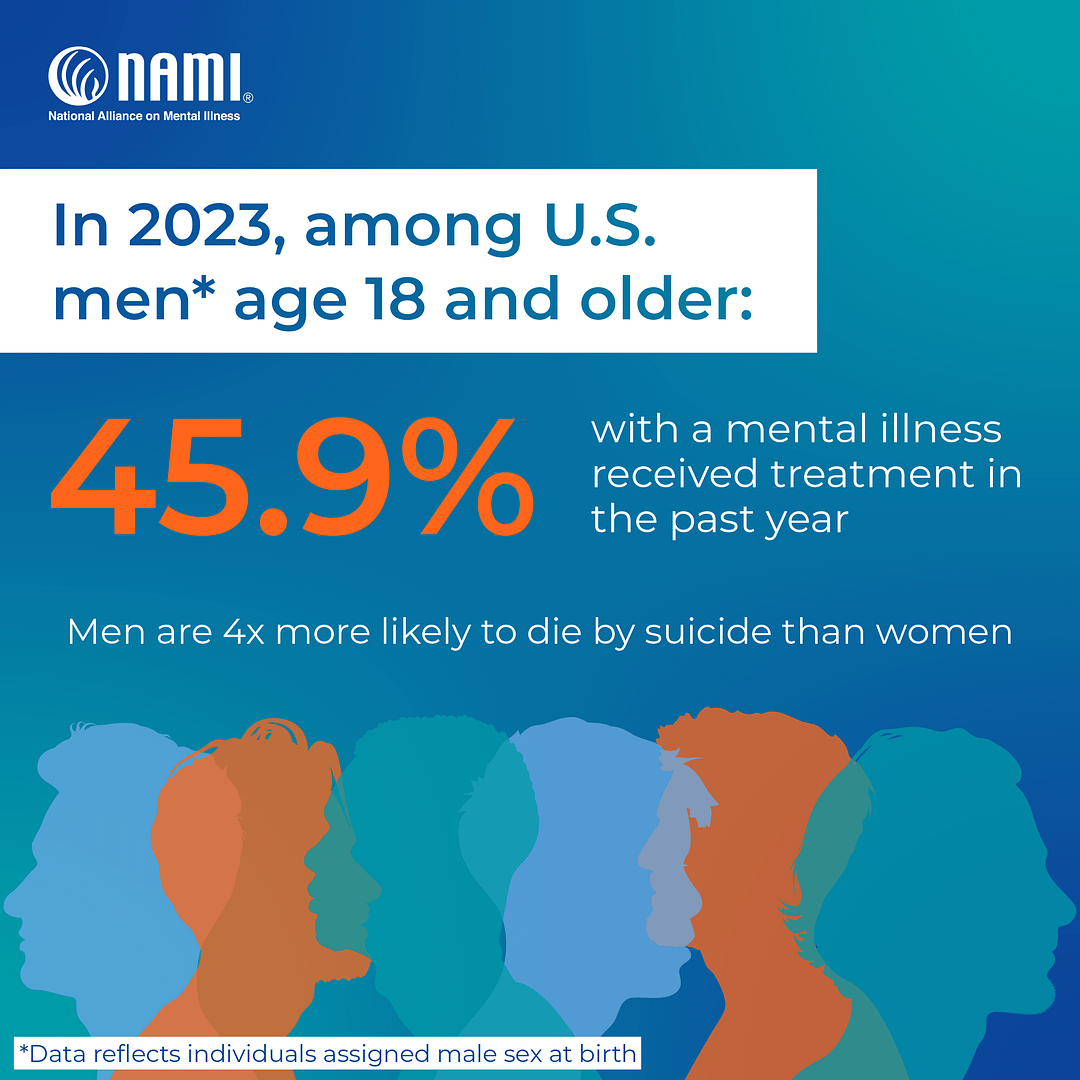
Men are nearly four times more likely to die by suicide than women, yet they are significantly less likely to seek mental health treatment. In 2023, data from the National Alliance on Mental Illness revealed that 19% of U.S. men aged 18 and older experienced a mental illness, but only 45.9% of those received treatment. Additionally, 21.4% dealt with a substance use disorder, and 4.5% had serious thoughts of suicide.
These statistics underscore the urgent need to address the stigma surrounding men’s mental health. Societal expectations often emphasize traits like strength and self-reliance, discouraging men from expressing vulnerability or seeking help. However, acknowledging one’s struggles and reaching out for support are signs of true strength.
Resources and Support for Men
Several organizations offer resources tailored specifically for men’s mental health:
- NAMI’s Men’s Mental Health Resources: Provides information on common conditions, symptoms, and barriers to seeking help.
- Man Therapy: This online platform uses humor and a unique approach to engage men in addressing mental health issues. It offers resources on topics like depression, anxiety, anger management, and substance use, aiming to reduce stigma and encourage men to seek help when needed.
- NAMI Podcasts and Webinars: NAMI offers a range of podcasts and webinars that delve into various mental health topics, including men’s mental health. These resources feature personal stories, expert insights, and discussions aimed at educating and supporting individuals dealing with mental health challenges.
Engaging in open conversations about mental health, sharing resources, and creating safe spaces, whether at home, work, or in the community, are crucial steps toward fostering an environment where men feel comfortable seeking help.
TFCC Is Here to Help
At TFCC, we understand the unique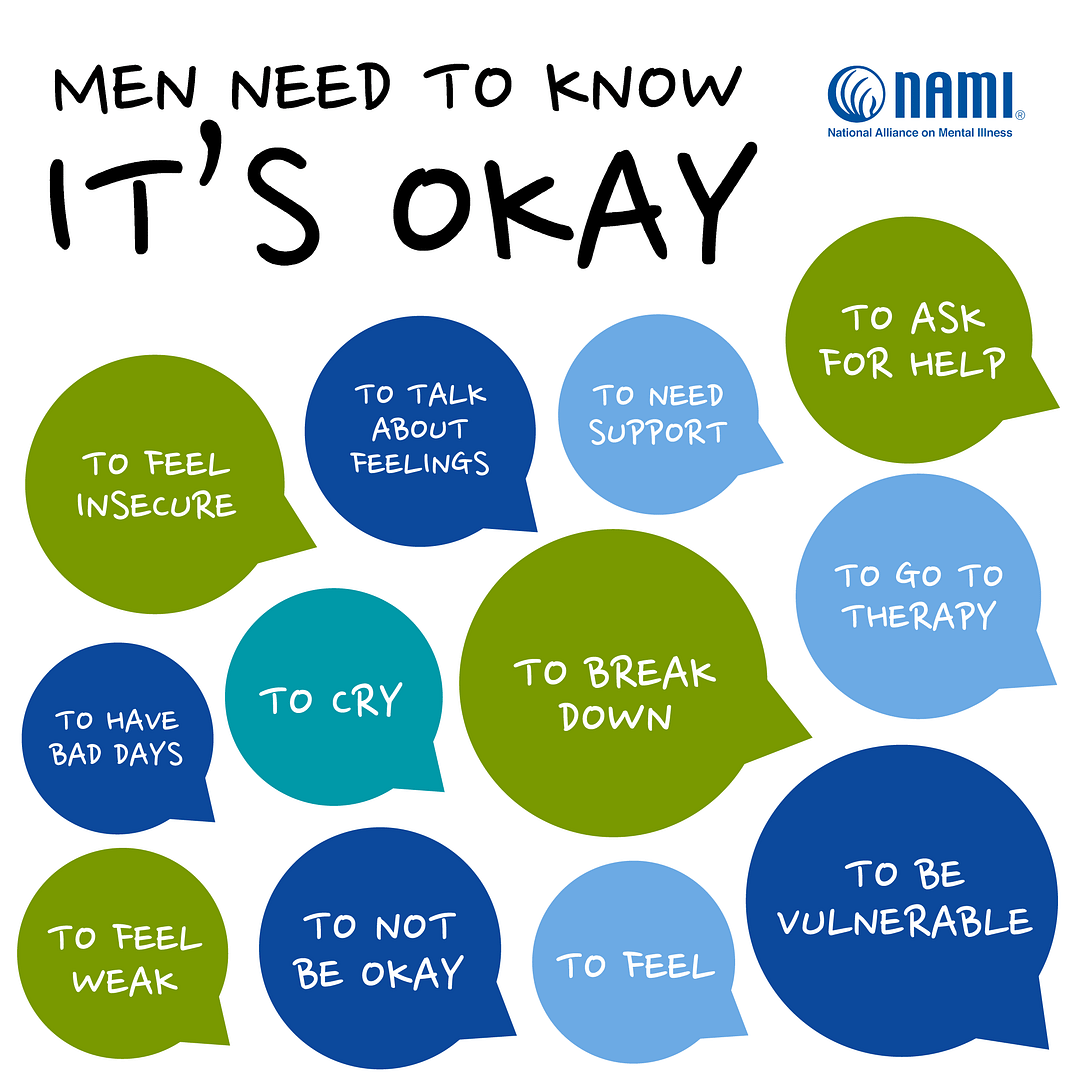 challenges men face regarding mental health. Our dedicated professionals are here to provide support, resources, and a safe space to talk. If you or someone you know is experiencing difficult times, don’t hesitate to reach out.
By promoting awareness, reducing stigma, and providing targeted support, we can create a healthier and more supportive environment for men to address their mental health needs and seek the help they deserve.
To learn more about our services or to schedule an appointment, please call us at 503-842-8201.