September is Suicide Prevention Awareness Month
Suicide is a global crisis that takes over 800,000 lives every year, according to the World Health Organization. September is Suicide Prevention Awareness Month, a crucial time to spread understanding about this issue that impacts so many.
Oregon has the 17th highest rate of suicide in the United States. Each day in Oregon, there is an average of two lives that are lost by suicide. While these facts can be discouraging, we at Tillamook Family Counseling Center want to communicate and share that suicide is a public health problem that is preventable.
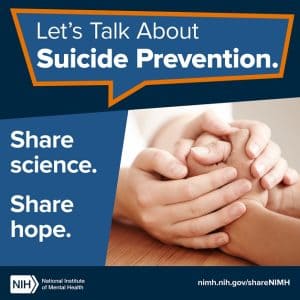
- Awareness Saves Lives: Raising awareness about suicide prevention through open conversations, education, and reducing stigma is key to combating this crisis. Awareness helps people identify warning signs, access resources, and get help before it’s too late.
- Ending the Stigma: The stigma surrounding mental health issues is one of the biggest roadblocks to suicide prevention. Many struggling with depression, anxiety or other conditions don’t seek help because they fear judgment. This month challenges that stigma by promoting empathy, understanding and acceptance.
- Reach Out to Those in Need: Reaching out to loved ones who may be struggling can make all the difference. Let them know you care, will listen without judgment, and are there to help. Sometimes a simple conversation can save a life.
- Know the Warning Signs: Being able to recognize suicide warning signs can help you reach out to those in need. Some warning signs include, 1) talking about suicide or feeling hopeless 2) withdrawing from activities and relationships 3) drastic changes in mood or behavior 4) giving away possessions 5) increased substance abuse 6) major changes in sleep or appetite 7) expressing being a burden to others.
This Month in Tillamook County:
During this month, TFCC will be using our webpage and links to highlight information that will not only raise awareness, but also connect those who are in need with treatment. Follow SOS Tillamook on Facebook for more information about suicide prevention.
Additionally, the Agency will sponsor a QPR Gatekeeper Training. QPR stands for “Question, Persuade and Refer.” This is a community intervention that supports participants with skills to help save a life from suicide. The QPR Gatekeeper training will be presented virtually, September 11th, from 10:00 to 11:30 AM. If you would like to register for this virtual QPR training, please email JaneaneK@TFCC.org.
Additional Resources:
- 988 Suicide and Crisis Lifeline
988 has been designated as the new three-digit dialing code to call when someone is having a mental health crisis. Visit the website to access online chat, find resources to help you or a loved one, and more. - What is 988?
Read more about 988 on TFCC’s Agency News page.