For individuals and families experiencing a developmental disability, finding the right services and support can sometimes feel overwhelming. There are resources available at the local, regional, and state levels, but knowing where to begin and how to navigate the system can be a challenge.
Tillamook Family Counseling Center’s Developmental Disabilities (DD) Program is here to provide access to resources and support for children and adults experiencing developmental disabilities. Through comprehensive case management and service coordination, the team works with eligible individuals and families to identify their needs, connect them with appropriate services, and support them through different stages of life.
Understanding Developmental Disabilities
A developmental disability is a physical or mental condition, or combination of conditions, that originates in the brain during the developmental period and results in significant, long-term challenges with daily functioning. Developmental disabilities can affect areas such as communication, mobility, self-care, cognitive abilities, self-direction, independent living, and economic self-sufficiency.
While developmental disabilities generally begin early in life, there are limited exceptions, including certain traumatic brain injuries that occur during childhood. Some examples of developmental disabilities include intellectual disabilities, Down syndrome, autism spectrum disorder, cerebral palsy, epilepsy, fetal alcohol syndrome, and a variety of genetic and neurological conditions.
Helping Families Navigate the System
One of the primary roles of TFCC’s DD Program is helping individuals and families connect with the resources available to them. “Our program can be a light that shines on the numerous local, regional, and statewide services that are available to those who qualify for the program,” David said.
The DD team provides eligibility determination, comprehensive case management, service coordination, and provider recruitment and coordination. Staff can also assist with service planning and monitoring, early intervention and transitions through different phases of life, in-home services, supported living, foster care, residential placement, supported employment, and other resources.
“Essentially we are a one stop shop for people who qualify to get their needs met and identify available services,” David said. Having someone who understands the system and can help navigate available options can make a meaningful difference.
A Relationship-Based Approach
While connecting people to services is an important part of the work, David says the heart of the program is developing relationships with the people we serve and understanding what they want for their lives.
“Our program believes in relational case management,” David said. “It’s just as important for our staff to develop a relationship with a person to not just understand their needs, but to know what they want for their life at a greater level.” That relationship-based approach allows staff to work alongside individuals in a way that fits their preferences and goals.
“We can work side by side with people or consult with them to mold to the style they need and want in their life.” The goal is to help individuals have the support they need while also encouraging choice, independence, and opportunities to pursue the things that are meaningful to them.
Community Events for Connection
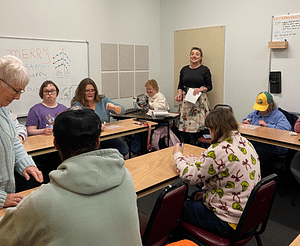
Throughout the year, TFCC provides opportunities for individuals, families, and community members to come together, have fun, and build connections.
One example is First Friday Bingo, held on the first Friday of every month from 1:30 to 2:30 p.m. at the Tillamook Library. The free event offers an hour of games, prizes, and community connection, and everyone in the community is welcome to attend! You do not need to be part of TFCC’s Developmental Disabilities Program to participate.
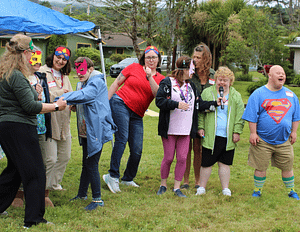
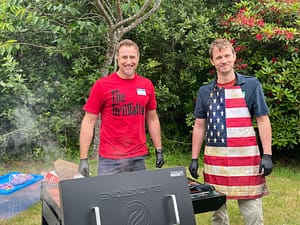
Each spring and summer, the DD Program also hosts its annual Spring Fling Dance and DD Picnic, providing additional opportunities for people to gather, enjoy time together, and strengthen community connections. The staff also support annual community based activities such as the Halloween and Christmas parties hosted by and in collaboration with Marie Mills.
Seeing Possibilities
For David, one of the most important things for the community to understand is that the people served by the DD Program are individuals with their own talents, interests, personalities, and passions.
“People in our program, and many others that don’t quite meet the criteria, have so many different talents and qualities,” David said. “Many of them have a great passion for life and we get to see those passions and talents on a daily basis.”
When David was asked what he finds most rewarding about his work, he said, “There are many things that I enjoy, but one of the most satisfying things is being able to see people have experiences in life that they may not otherwise have without the support of our program. I think our program staff work hard and do an exceptional job of helping make hopes and dreams become a reality for many,” he said.